UX Design

UX Writing: Designing Content for How People “Read” Online

Daniel Perez

People rarely read online — they’re far more likely to scan than read word for word.

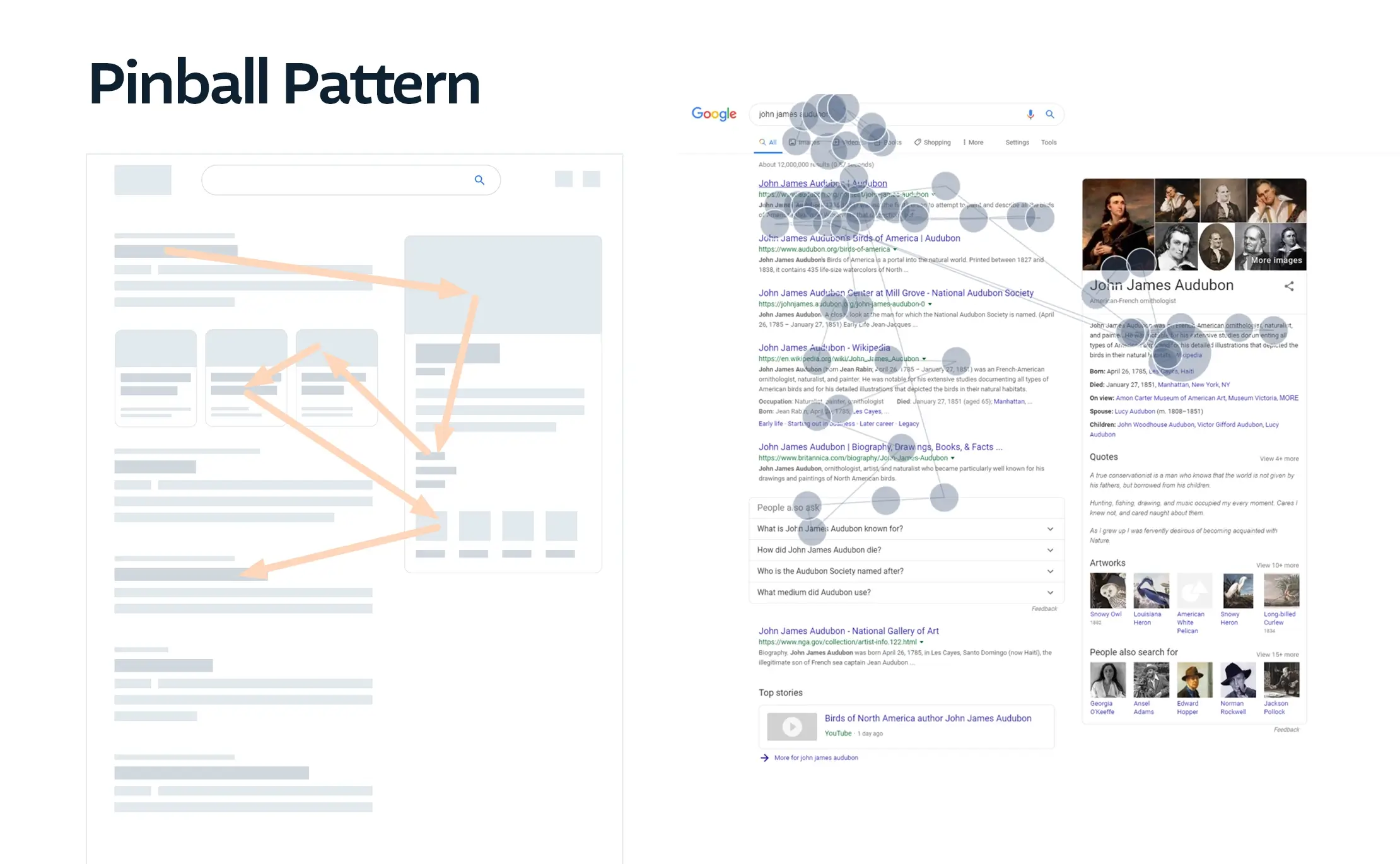
With the usage of eye tracking technology UX researchers have been able to prove that users tend to scan through large copies of text. That hasn’t changed in 20 plus years. So even with massive technological changes over the past 20 years, humans still remain creatures of habits. Next we will see two popular scanning samples the Lawnmower way and the Pinball method.

The amount of time any user is willing to spend reading depends on 3 factors:

  • Level of Motivation: How important is this information to the user? 
  • Type of Task: Is the user looking for a specific fact, browsing for new or interesting information, or researching a topic?
  • Level of Focus: How focused (or unfocused) a user is on the task at hand?

What are the design solutions for those three factors?

The key is to create some visual hierarchy. Make it even easier for the user to scan the copy. Here are some tips you can employ in your designs. Using clear, noticeable headings and subheadings. Employing formatting techniques like bulleted lists and bold text. Using plain language – no need for a thesaurus

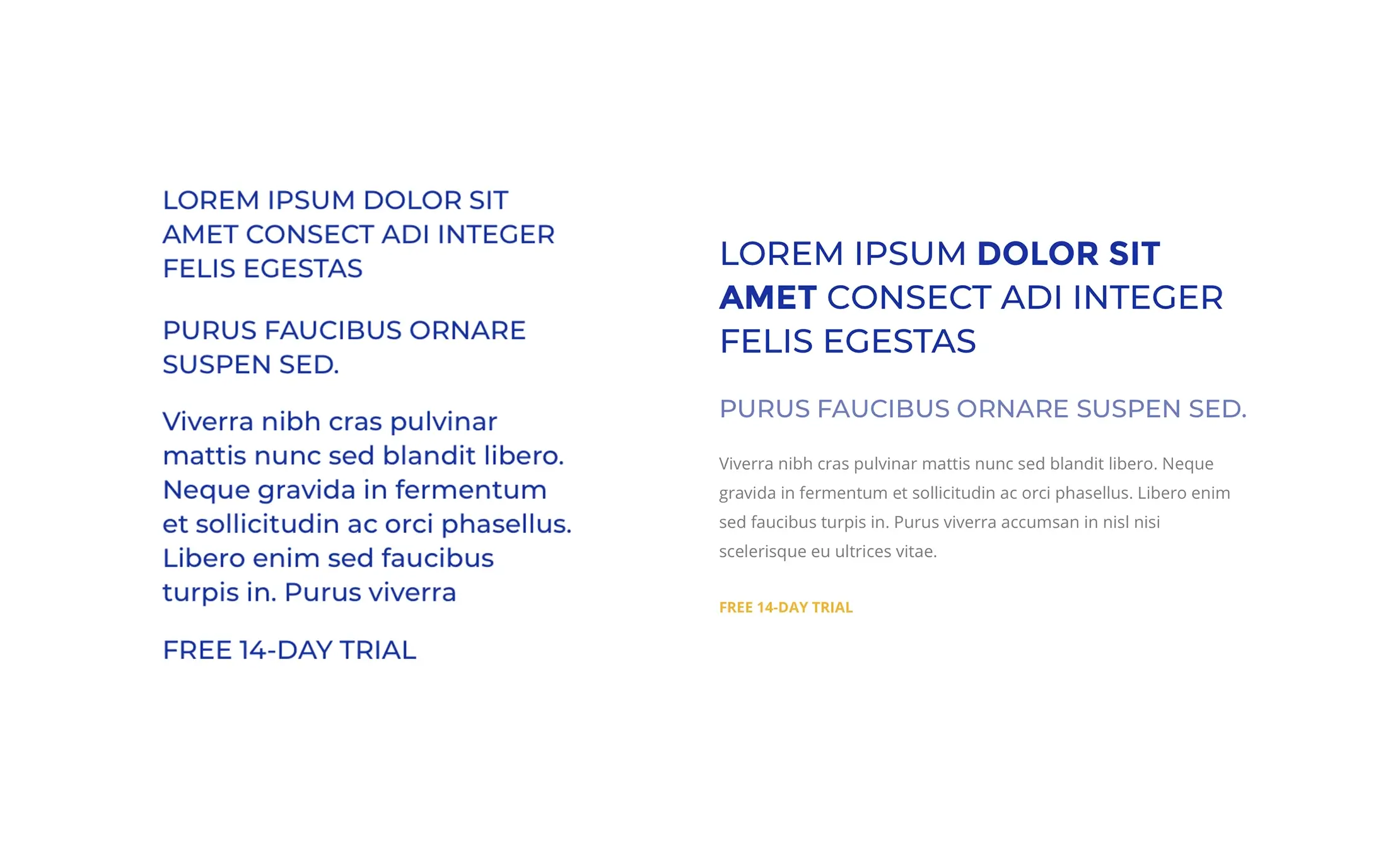
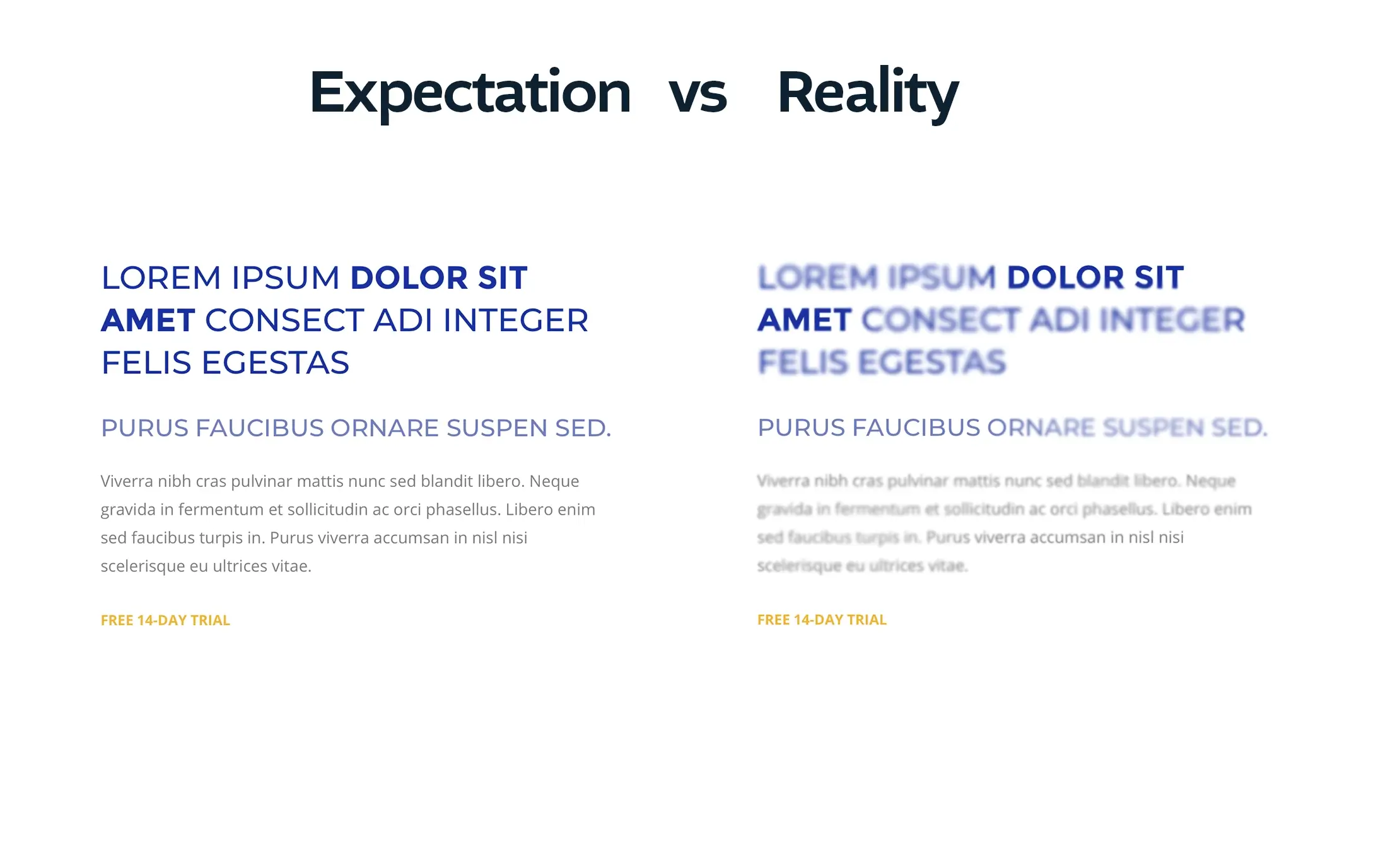
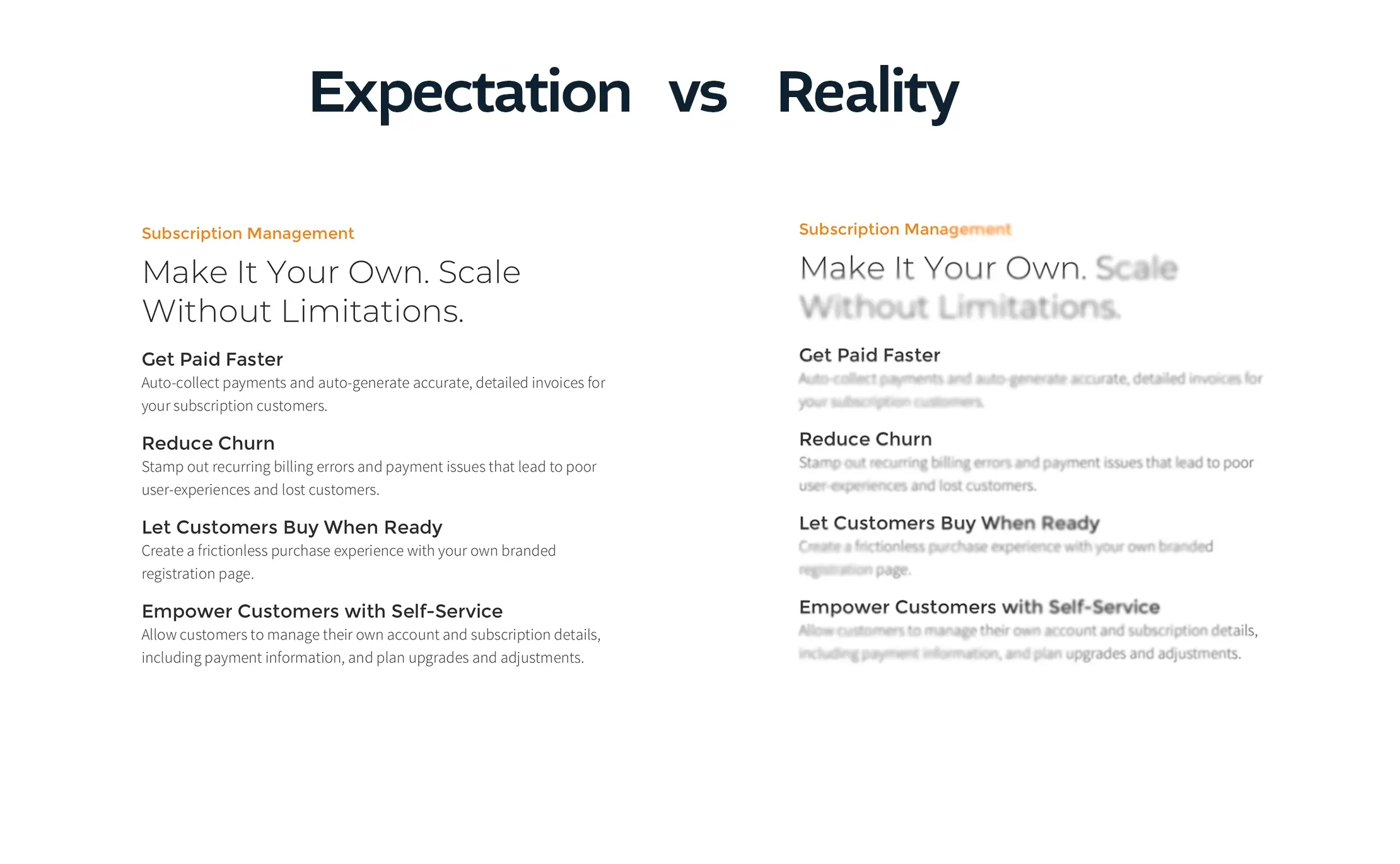
Expectation Vs reality on how a user is actually reading your designs.

Written By:

Daniel Perez

Danny is a creative UX/UI Designer, with a strong background in Graphic Design. His passion for design is always encouraging him to grow and think outside the box. Curiosity coupled with a love for research continues to spark opportunities for creative problem solving.
Learn More About Daniel Perez